Christina Williams Photography
November 17, 2026
Christina Williams
Small Weddings and Elopements in Wales: A Local Photographer’s Guide
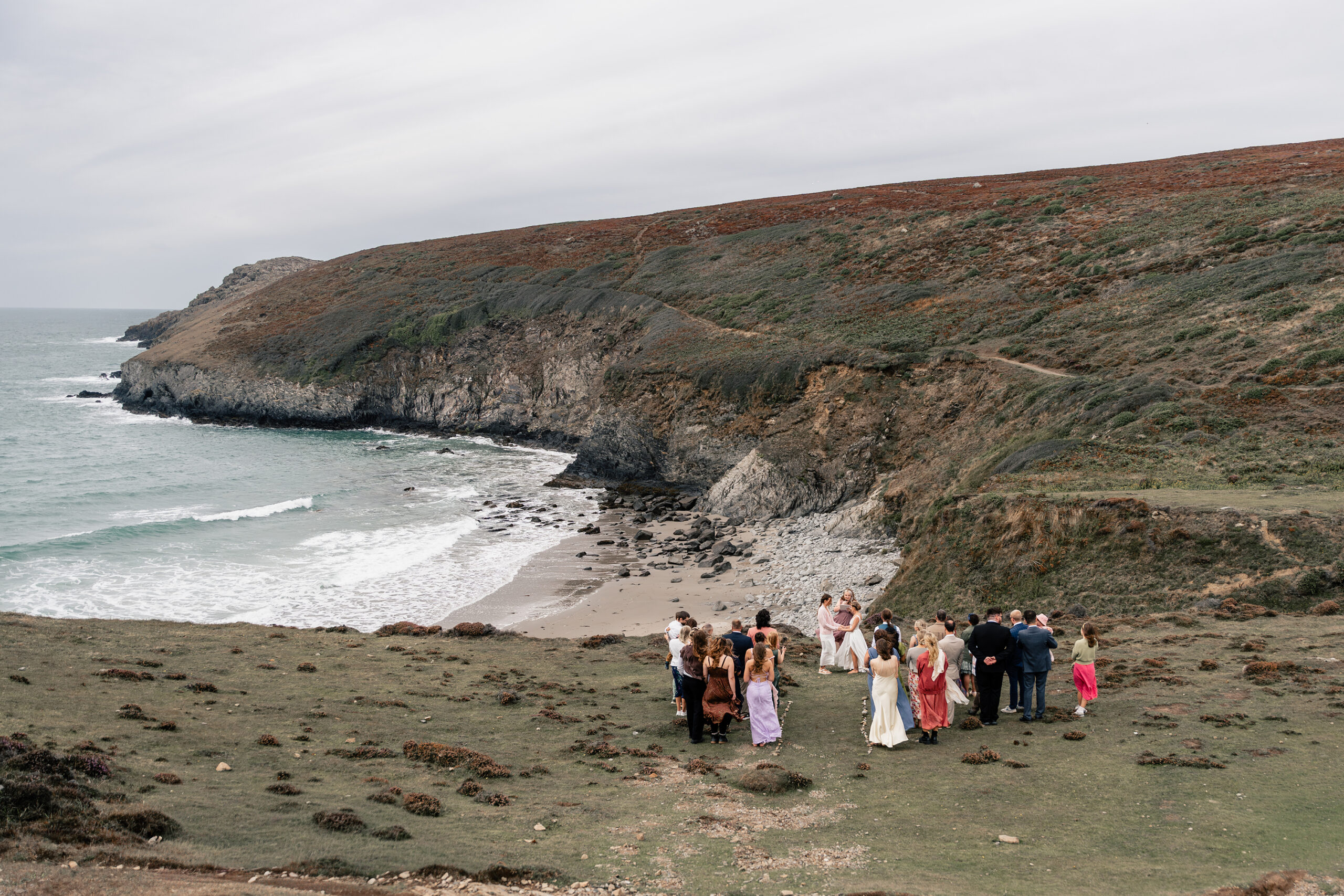
From Cardiff registry office weddings to tiny celebrations on the Pembrokeshire coast, here’s what I’ve learned about planning a small wedding in Wales, and why I love photographing them.
Why I Bloody Love a Small Wedding
I’m not married, but if I ever do get married, I can tell you now, I’m eloping and then partying another time!
I photograph plenty of big weddings, and I love them, but there’s something about small weddings and elopements that really appeals to me. I think it’s the freedom to do exactly what you want without worrying about everyone else’s opinions, traditions or the endless decisions that come with organising a big wedding. Decision fatigue is a real thing, and weddings can involve an extraordinary amount of it.
Over the years, I’ve photographed couples who’ve chosen to have small weddings for all sorts of reasons. Some simply don’t fancy a big wedding, while others have experienced bereavement, illness or difficult times in their lives. For those couples, getting married becomes less about organising an event and more about doing something that really matters to them, without all the additional pressure.
I find I have quite a lot in common with the people who choose to elope. Many are outdoorsy, love nature and are quite considered about what they spend their money on. They’d rather have a brilliant experience than spend thousands on things they don’t particularly care about. That’s not to say you can’t have a gorgeous dress, beautiful flowers or a fantastic meal. It’s just that you’re choosing those things because you actually want them.
And that’s probably why I enjoy photographing these weddings so much.
I’m Christina, a wedding photographer based in St Davids, Pembrokeshire. I grew up in West Wales, lived in Cardiff for ten years and have spent over 15 years photographing weddings across Wales. I’ve photographed everything from large celebrations with hundreds of guests to tiny weddings with just two people and a dog.
This is my guide to small weddings and elopements in Wales, with a few of my favourite weddings, practical advice and some things I’ve learned along the way.
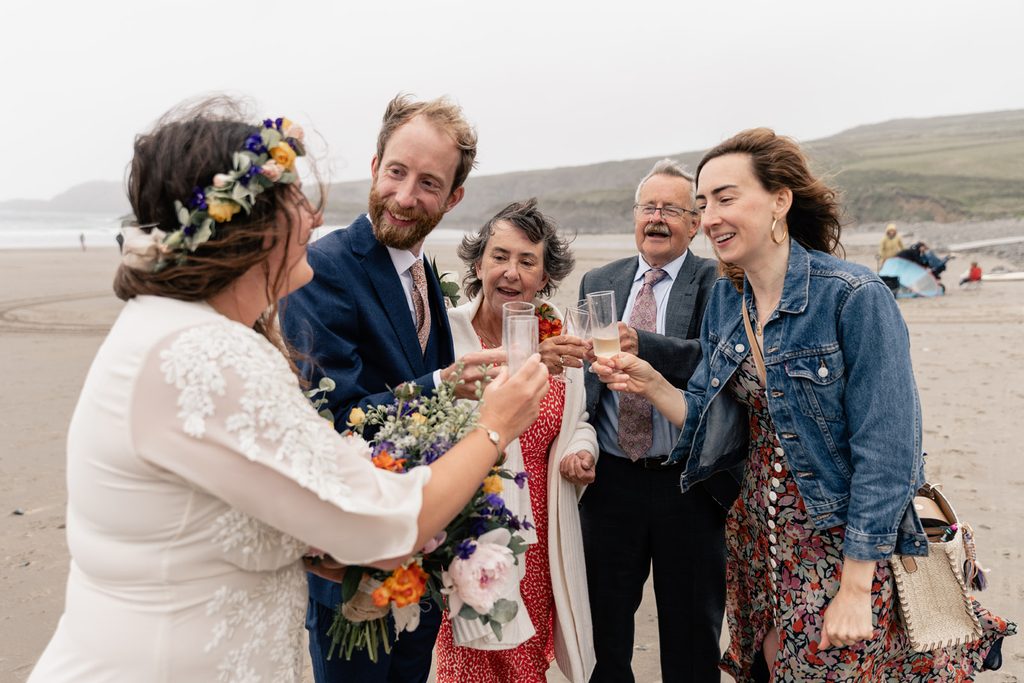
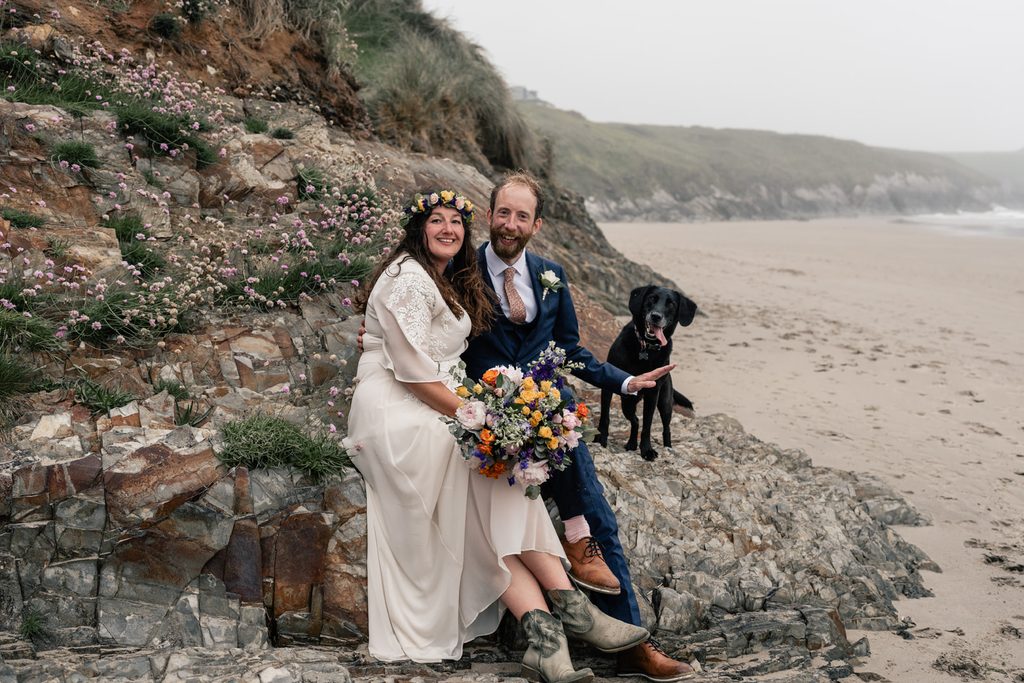
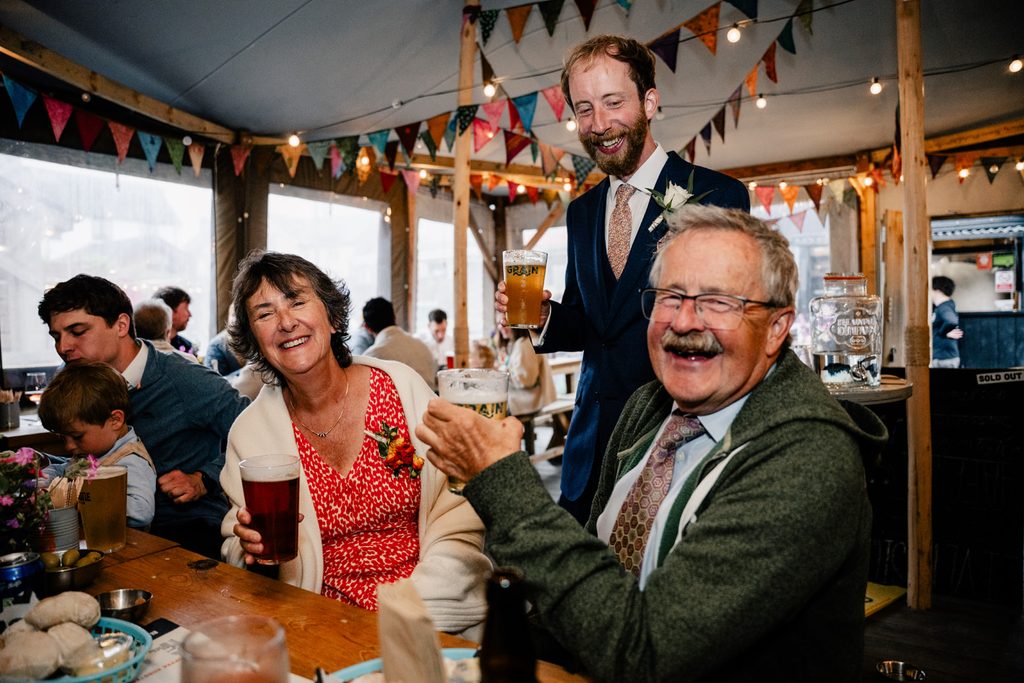
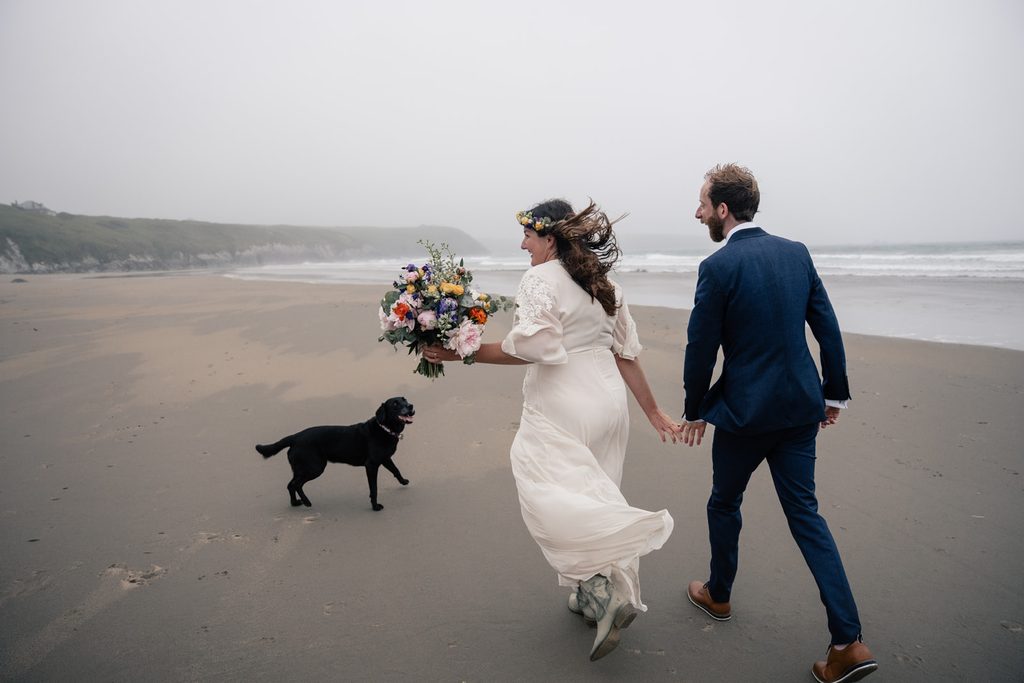
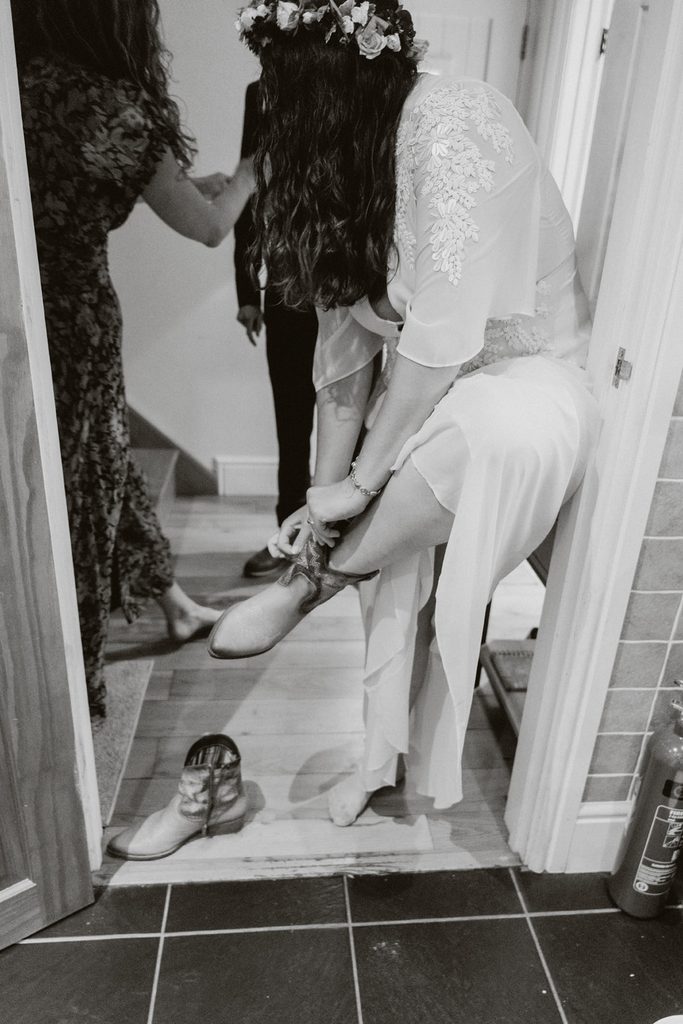

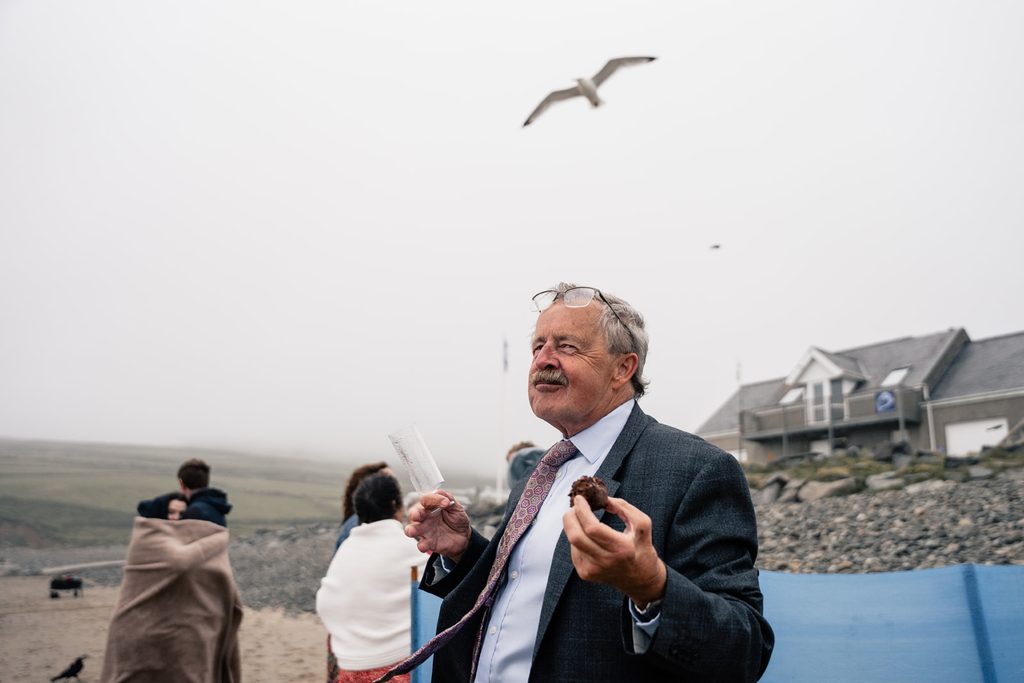
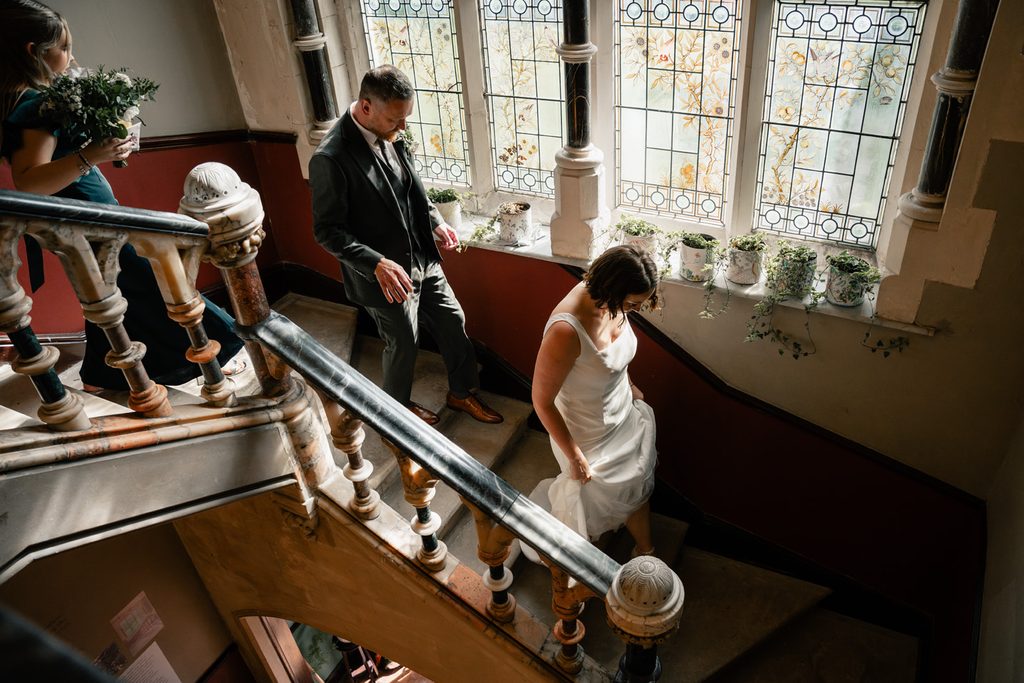
My Favourite Micro Wedding in Pembrokeshire (photos above)
One of my absolute favourite weddings was on Whitesands Beach, just outside St Davids. Technically, it wasn’t an elopement because there were about 15 people, but it was exactly the kind of wedding I love.
The couple had got legally married at Haverfordwest Registry Office that morning and didn’t want photographs of the ceremony. Instead, I met everyone on Whitesands Beach for their reception, which consisted of champagne, brownies and some absolutely dreadful Welsh weather.
It wasn’t even proper dramatic rain. It was that horrible wet mist that slaps you in the face and manages to soak absolutely everything. But nobody cared. Everyone was having a brilliant time, we took some photographs, the couple went paddling in the sea and afterwards we all headed into St Davids for pizza and beers at Grain.
There was singing, laughing, and I got to have a pizza and a beer. A belter of a day!
My favourite photograph from the whole wedding was actually taken afterwards, back at the house, where the bride was standing in her Spanx, using a hair dryer to dry her absolutely soaking wet wedding dress. I’m obviously not sharing that photograph, but it still makes me laugh.
I think what I loved most was how completely unconcerned everyone was about things going to plan. The weather was dreadful, the dress was soaked and none of it mattered. They’d got married, spent the afternoon with their favourite people and had a fantastic time.
A Pembrokeshire Elopement – Tash & Tom
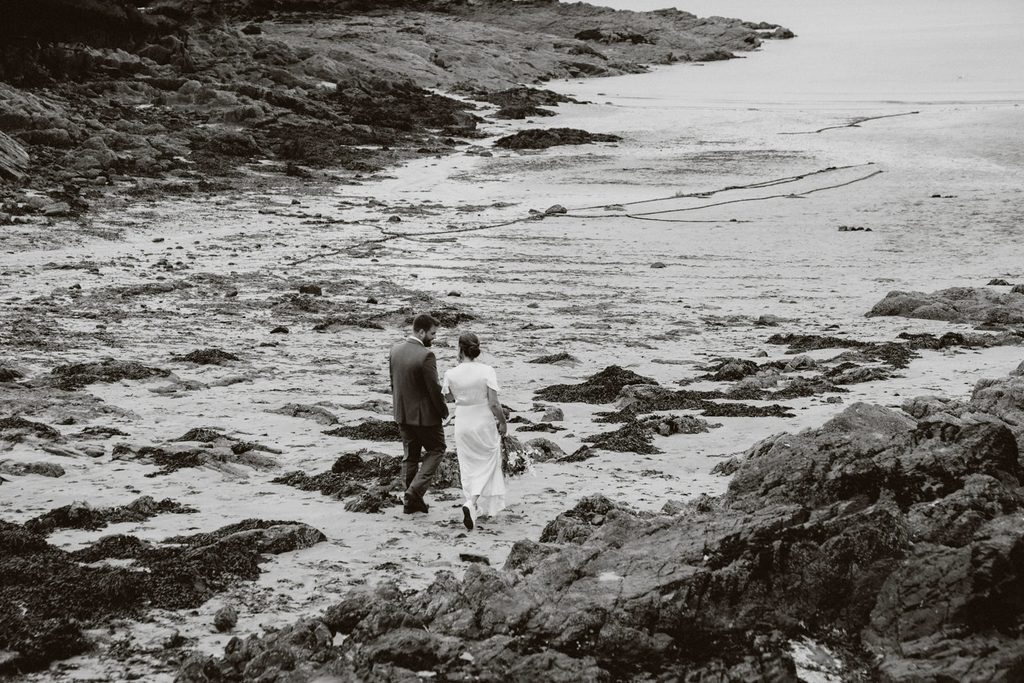
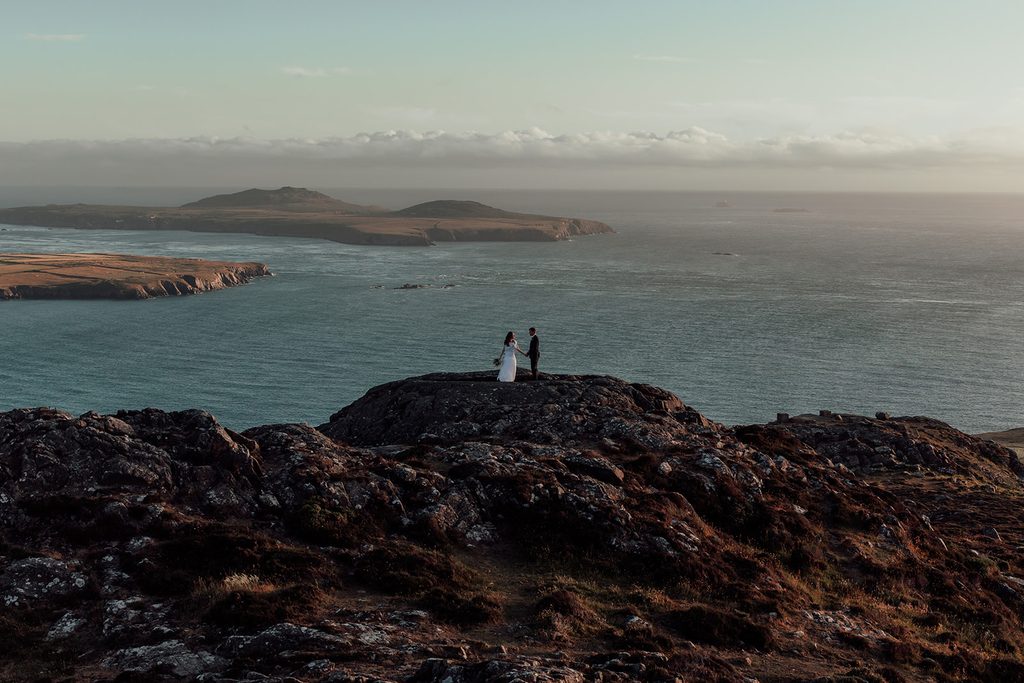
At the other end of the scale was an elopement I photographed at Musselwick Farm in Pembrokeshire. It was just the couple and their dog, and the whole day was wonderfully relaxed.
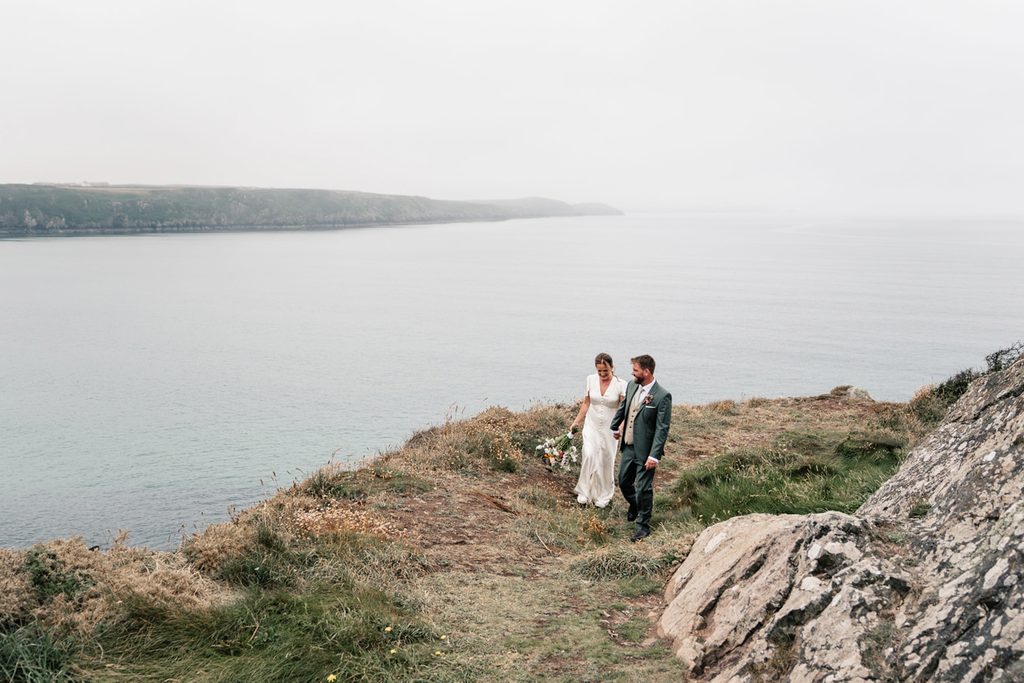
They had hair and makeup in the morning, got married and then we headed out for some walks along the clifftops. Afterwards, we finished with champagne at St Brides Hotel in Saundersfoot.
They were such a lovely couple, completely happy in each other’s company, and all they wanted was a simple day together without any fuss. There wasn’t a huge schedule or a list of wedding traditions to work through, and we had time to enjoy the landscape rather than rushing between locations. These two weddings were completely different, but they’re both good examples of how much flexibility you have when you’re planning something small.
What’s the Difference Between an Elopement, a Micro Wedding and a Small Wedding?
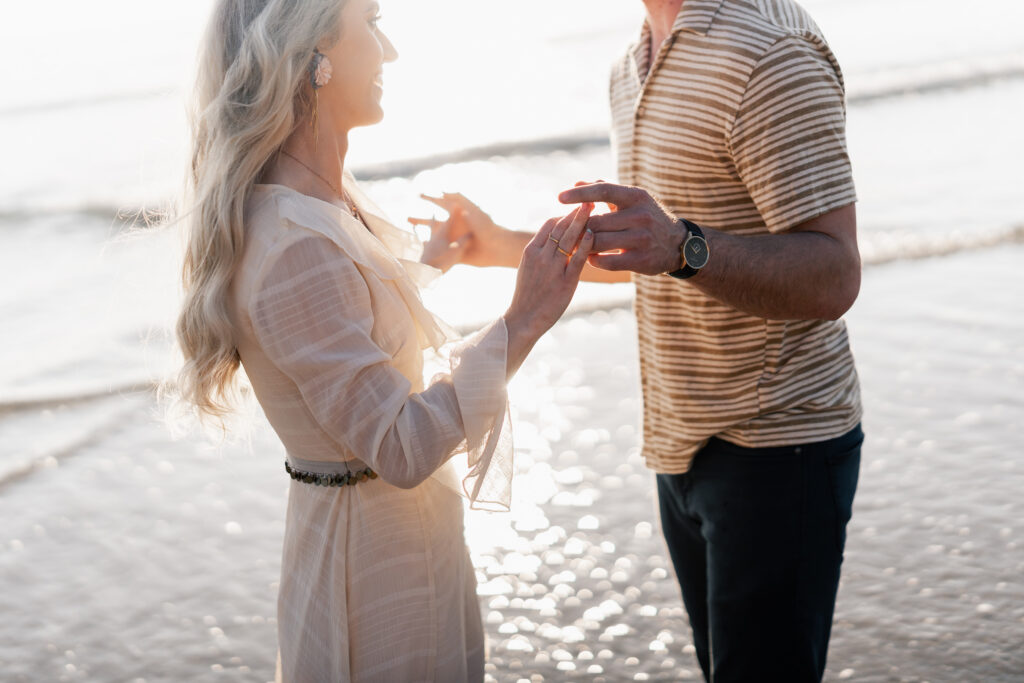
Traditionally, eloping meant running away to get married, often without telling anyone. These days, the word covers a much wider range of celebrations, and I wouldn’t worry too much about getting the terminology right.
An elopement is generally a wedding with just the couple, or perhaps a handful of people. A micro wedding usually has a small guest list, often around 10 to 20 people, while a small wedding might have a few more. There aren’t any universal rules about the numbers. What matters more is the kind of day you’re planning. You might want a simple legal ceremony in Cardiff followed by lunch with your family, or a celebrant ceremony on the Pembrokeshire coast with just your partner and your dog. It’s about deciding which parts of a wedding actually matter to you.
Where to Have a Small Wedding or Elope in Wales
One of the best things about Wales is the variety of places you can get married. We’ve got beautiful countryside, mountains, woodland, beaches, historic buildings and cities, and you don’t have to travel huge distances to find completely different landscapes.
I photograph weddings across South and West Wales, particularly Pembrokeshire, Ceredigion, Carmarthenshire, the Gower, Cardiff and the Vale of Glamorgan. These are the areas I know best, so they’re where I’d start if you’re looking for ideas.
Small Weddings and Elopements in Pembrokeshire
Pembrokeshire is home, and I think it’s a fantastic place for a small wedding, especially if you love being outdoors. There’s an enormous variety of coastline, from wide sandy beaches to tiny coves and dramatic cliffs, alongside the Preseli Hills, woodland and countryside.
St Davids is a particularly lovely base for a wedding. You have the city itself, some great independent businesses and places to eat, and beautiful coastal locations such as Whitesands and Porth Melgan nearby.
I also love the coastline around Marloes, Newport, Manorbier and Druidston. Each has a different feel, and the best location depends on the season, the weather, how much walking you’re comfortable with and whether you’re bringing guests.
For venues, there are some lovely options worth researching, including Nantwen, Nolton Coast, Twr y Felin, Manorbier Castle, Llys Meddyg Hotel & Restaurant and Penally Abbey. Each offers something different, so it’s worth asking about their current arrangements for smaller weddings rather than assuming you need to book a traditional full wedding package.
I’ve written a separate, more detailed guide to eloping in Pembrokeshire, which covers more of the local options.
Small Weddings and Registry Office Weddings in Cardiff
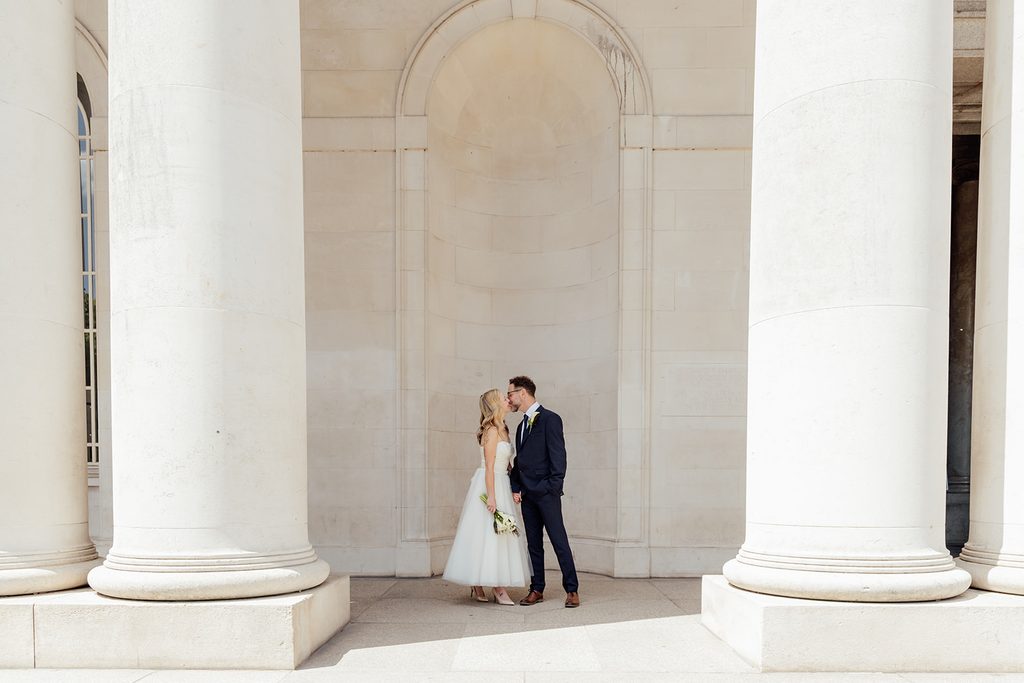
I lived in Cardiff for ten years, and I still love going back to photograph weddings (and eating) there. You don’t have to head into the countryside to have a beautiful small wedding, and Cardiff has some lovely options for couples who want to keep things simple.
Insole Court in Llandaff is a particularly lovely option, with its Victorian house and beautiful gardens. It’s a great setting for couples who want a small wedding with a bit of character and somewhere lovely to spend time afterwards. I’d also consider a simple registry office ceremony followed by a meal at one of Cardiff’s brilliant restaurants.
And if you fancy getting out to the coast, Southerndown and the Vale of Glamorgan aren’t far away. You can have your ceremony in Cardiff and still make time for some photographs by the sea.
The Gower Peninsula
The Gower is a great option for couples who love the coast but want to stay closer to Swansea or South Wales. Rhossili, Three Cliffs Bay and Oxwich are all beautiful places to explore, with a mixture of sandy beaches, cliffs and countryside.
One thing I’d consider carefully is access. Some of the most dramatic coastal spots involve steep paths or uneven ground, which isn’t ideal if you’re bringing older relatives, young children or anyone with mobility difficulties.
I always think it’s better to choose somewhere everyone can comfortably enjoy rather than plan a complicated walk just because a particular location looks impressive in photographs.
Carmarthenshire and Rural West Wales
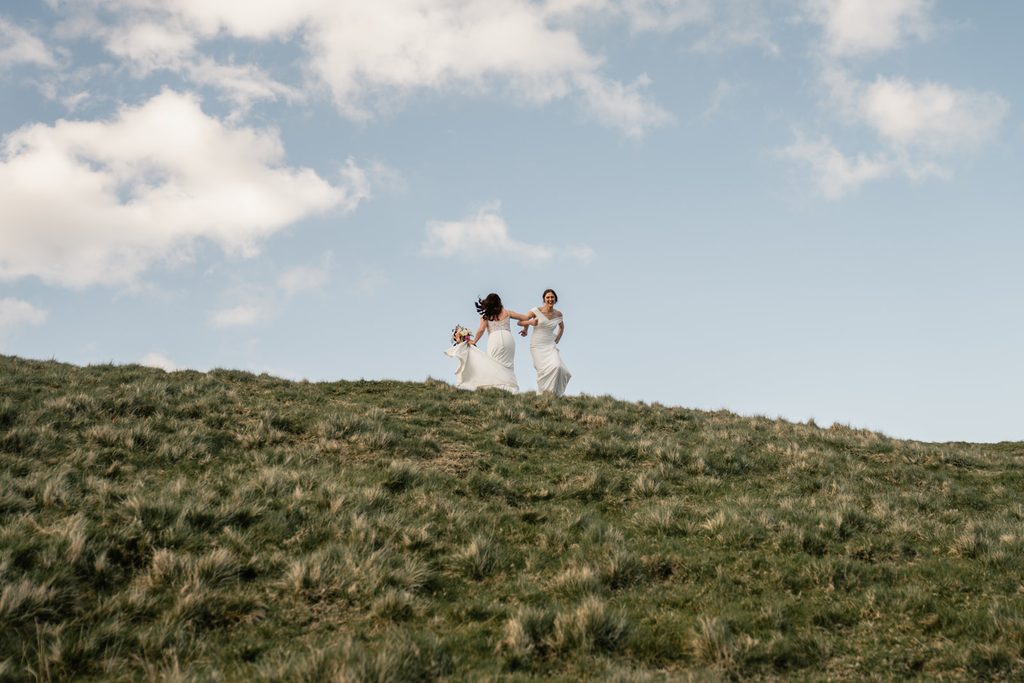
If you’re drawn to countryside rather than coastline, Carmarthenshire has plenty to offer. There are lovely rural venues, gardens, woodland and places to stay, which can work particularly well for small groups.
I really like the idea of hiring somewhere for a couple of nights, getting married and having time to enjoy being together rather than trying to fit everything into a single afternoon. For couples travelling from elsewhere in the UK, having accommodation and the ceremony close together can make planning much easier.
Bannau Brycheiniog and the Brecon Beacons
If you’re more interested in mountains, open landscapes and woodland, Bannau Brycheiniog is worth considering. There are some spectacular locations, but you don’t necessarily need to plan a huge hike to enjoy the scenery.
I’d recommend choosing your ceremony venue first and then working out which nearby places you’d like to explore. That way, you can enjoy the landscape without spending half your wedding day driving around.
How to Legally Get Married in Wales
This is probably the first practical thing you need to understand, particularly if you’re dreaming of a ceremony on a beach or clifftop.
You generally can’t just turn up at a public beach with a registrar and have a legally recognised civil marriage. In Wales, civil weddings take place at register offices or approved premises, and some approved venues can hold legal ceremonies outdoors within their grounds, subject to the relevant conditions.
However, there are different ways to organise things, and this is where a small wedding gives you quite a lot of flexibility.
Have a Legal Ceremony at a Registry Office
This is often the simplest and potentially most affordable option. You book your ceremony, arrange your witnesses and complete the legal marriage, then spend the rest of the day however you like. That’s exactly what my Whitesands couple did. They got married in Haverfordwest in the morning, then went to the beach for their reception. I’ve had a few couples also get married in Cardiff then book a meal and head home for a house part!
You could do something similar in anywhere, Haverfordwest or another town in Wales, and then head somewhere meaningful for photographs or a celebration.
Get Married at an Approved Venue
If you’d prefer to have your legal ceremony somewhere with accommodation, gardens or a beautiful setting, look for an approved wedding venue that offers small wedding packages. Like Waterwynch house, Nolton coast, The Shed at Mwnt and many more have views!!
Some venues specialise in intimate weddings, while others offer shorter or simpler arrangements for couples who don’t need a full day of exclusive use.
It’s worth contacting venues directly and explaining what you’re planning, because their smaller wedding options aren’t always obvious from the main wedding brochure.
Have a Celebrant Ceremony Somewhere Personal
A celebrant ceremony can be a lovely option if you want to exchange vows somewhere outdoors or in a location that isn’t licensed for legal civil marriages.
I’ve photographed weddings and celebrations in all sorts of unusual places, including a lifeboat station, beaches and clifftops.
You could also have a celebrant ceremony at a holiday cottage or Airbnb, provided the owner agrees and the property allows it. You can’t assume every holiday rental permits weddings or events. The important distinction is that a celebrant ceremony is generally symbolic rather than legally binding in Wales. You’ll need to complete the legal marriage separately.
That might sound like an extra step, but for some couples it makes planning much easier because they can separate the legal formalities from the celebration they actually want.
I recommend – https://heartofpembrokeshireceremonies.co.uk/ & Seren Celebrants
Giving Notice and Arranging Witnesses
For most civil marriages in Wales, you need to give notice at the appropriate register office at least 29 days before the ceremony, and the marriage must normally take place within 12 months of giving notice. Different rules can apply depending on your circumstances, so check the current government guidance.
You’ll also need two witnesses for the legal marriage. If you’re eloping without guests, speak to your venue or registrar about possible arrangements. I am often a witness at elopements and love that i’m asked.
One thing I’d recommend is checking registrar fees before choosing your date. Sunday ceremonies can be significantly more expensive in some areas, so if you’re flexible, compare the prices for different days.
How Much Does a Small Wedding or Elopement in Wales Cost?
There’s no single answer because small weddings can be organised in completely different ways.
You could have a simple registry office ceremony, a few photographs and lunch at your favourite restaurant, or you could book a beautiful venue, accommodation, flowers, outfits, photography and a private dinner.
The main expenses to consider are the legal ceremony, venue, accommodation, food, outfits, flowers and photography. If you’re having a celebrant ceremony, you’ll also need to budget for the celebrant and any separate legal arrangements.
My advice would be to work out what matters most to you before you start booking anything.
If you’re both really into food (like me), spend your money on a fantastic meal. If you love the outdoors, perhaps you’d rather stay somewhere beautiful for a few days. If your family is important to the celebration, put your budget into bringing everyone together.
You don’t need to start with a traditional wedding checklist and buy a smaller version of everything.
And don’t assume that an elopement needs to be cheap. Some couples choose a small wedding because they want to spend more on a few things they really care about, rather than spreading their budget across a large event.
My Practical Advice for Planning a Small Wedding in Wales
Having photographed weddings here for years, there are a few things I always discuss with couples before they book.
Be Prepared for the Welsh Weather
Bring a coat, bring wellies and expect wind, particularly if you’re planning anything on the coast. Even in summer, the weather can change quickly, and I’ve photographed plenty of weddings where everyone ended up absolutely soaked.
That doesn’t mean you shouldn’t plan an outdoor wedding. It just means you need to be prepared so you can enjoy yourselves whatever happens. Think about somewhere you can shelter if necessary, sensible shoes for walking and something warm to wear between photographs.
And remember, you can still get brilliant photographs in less than perfect weather.
Allow More Time Than You Think You’ll Need
One mistake I’d try to avoid is squeezing too much into a short amount of time.
You might only have a small ceremony, but if you’re planning to travel to the coast, have photographs with family and stop somewhere for a drink afterwards, it all takes time. I always talk through the plans with couples beforehand and help work out how much photography coverage makes sense.
I don’t want anyone rushing through their wedding because they’ve booked too little time to enjoy it.
Think About Traffic in Summer
Pembrokeshire and the Gower are popular tourist destinations, and the roads can be busy during the summer holidays.
There are also plenty of narrow lanes, tractors and people trying to find beaches they’ve never visited before. If you’re travelling between your ceremony, accommodation and somewhere for photographs, allow more time than your sat nav suggests.
It’s also worth thinking about parking and how busy popular locations might be.
Check the Tides and Access
If you’re planning to spend time on a beach, check the tide times and make sure your chosen location is safely accessible. Some beaches have long walks or steep paths, and others become difficult to access at high tide. This is particularly important if you’re bringing children or guests who might struggle with uneven ground.
Don’t Overplan Everything
I think this is one of the biggest advantages of having a small wedding. You can leave room for things to happen naturally. You don’t need to fill every hour with an activity or visit several different locations just because you’ve booked a photographer.
Some of the best photographs happen when people have time to relax and enjoy themselves.
And if that means stopping for coffee or spending an extra half hour at the beach, that’s absolutely fine.
How Much Photography Do You Need for a Small Wedding?
This really depends on what you’re planning.
For a simple registry office wedding, you might only want an hour of photography to cover the ceremony and a few photographs afterwards.
If you’re having a small wedding with family, a celebrant ceremony or some time exploring the coast, you might want several hours. And if you’re making a whole day of it, there’s no reason you can’t have photography from getting ready through to your meal or evening celebrations.
I offer flexible coverage because I don’t think every small wedding should be squeezed into the same package.
My Pembrokeshire ceremony coverage starts at £600, while elopement photography starts at £1,100 for two hours, with additional hours available at £150 each. I also offer photography and film together, which can be a lovely way to have a record of your ceremony and some moving footage of the day without bringing an additional camera crew.
The best thing to do is tell me what you’ve got planned, and we can work out how much time you’ll realistically need.
Choosing a Photographer for Your Elopement or Small Wedding
This is something I think is particularly important for smaller weddings.
When I’m photographing a large wedding, I can blend into the background and quietly photograph what’s happening. There are plenty of people around, lots going on and nobody pays much attention to me.
But when it’s just the two of you, there’s nowhere for me to hide! I’m going to be a fairly significant part of your day, so it’s important that you choose someone you actually enjoy spending time with. Someone who makes you feel comfortable, who you can have a laugh with and who you wouldn’t mind spending a few hours on a windy Welsh clifftop with.
My approach is mostly documentary, so I’m always looking for natural moments and interactions, but I’ll also offer direction when it’s useful. If I know a good location or the light is doing something brilliant, I’ll suggest making the most of it.
I have a Master’s in Documentary Photography and have spent over 15 years photographing across Wales & Australia, so I have plenty of experience working in different conditions and with people who aren’t particularly comfortable in front of a camera.
I don’t want your small wedding to become a long photo shoot, and I don’t think you do either.
That’s why I always like to have a chat before booking. We can talk about your plans, what matters to you and whether I’m the right photographer for your day.
Frequently Asked Questions About Small Weddings in Wales
Can We Have a Wedding in Wales With Just the Two of Us?
Yes. You can arrange a legal ceremony without inviting guests, although you’ll still need two witnesses. Some venues may be able to help with arrangements, so ask before booking.
Can We Get Married on a Beach in Wales?
You can arrange a symbolic ceremony on a beach where you have the necessary permission, but public beaches aren’t automatically approved for legal civil weddings. Many couples complete the legal ceremony separately and then have a celebrant ceremony or celebration outdoors.
Can We Have a Small Wedding in Cardiff?
Absolutely. Cardiff is a great option for registry office weddings and intimate celebrations, with plenty of restaurants, hotels and interesting locations for photographs. You can also combine a city ceremony with time on the Vale of Glamorgan coast.
Can We Bring Our Children or Dog?
Of course, provided your venue and chosen locations allow them. I’ve photographed some brilliant small weddings with children and dogs, and they often add plenty of entertainment to the day.
What’s the Best Time of Year for a Small Wedding in Wales?
It depends on what you enjoy. Summer gives you longer days, but popular coastal locations can be busy. Spring and autumn are lovely for changing landscapes, while winter can be atmospheric and much quieter. Just think carefully about daylight and the weather when planning your ceremony time.
Do We Need a Celebrant?
No. You can get legally married at a register office or approved venue without having a separate celebrant ceremony. A celebrant is an option if you’d like something more personal or want to exchange vows somewhere outdoors.
Can You Help Us Plan Our Elopement?
Yes, absolutely. I’m not a wedding planner, but I’m always happy to share my local knowledge, recommend locations, talk through ceremony options and help work out a realistic timeline.
You don’t need to have everything organised before getting in touch.
Planning a Small Wedding or Elopement in Wales?
Whether you’re thinking about a registry office wedding in Cardiff, a little ceremony in the Pembrokeshire countryside or an elopement on the coast with your dog, I’d love to hear what you’re planning.
I’m based in St Davids and photograph small weddings and elopements across Pembrokeshire, Carmarthenshire, the Gower, Cardiff, the Vale of Glamorgan and the rest of South and West Wales.
I offer flexible photography coverage, with the option to add film, and I’m always happy to help you work out what would suit your plans.
Explore my Pembrokeshire elopement photography packages or get in touch and tell me a little about your wedding.
We can have a chat, work out what you’re thinking and take it from there.